

Secession-style façades, terraces with sweeping views, palm trees gently swaying in the breeze.
Maybe you’re strolling by the sea, or wandering through the town.
Wherever you are, the paths, buildings, and parks have stood here for nearly two centuries.
The history of Opatija lies beneath your feet, surrounds you, and lives in everything that feels timeless.
Share




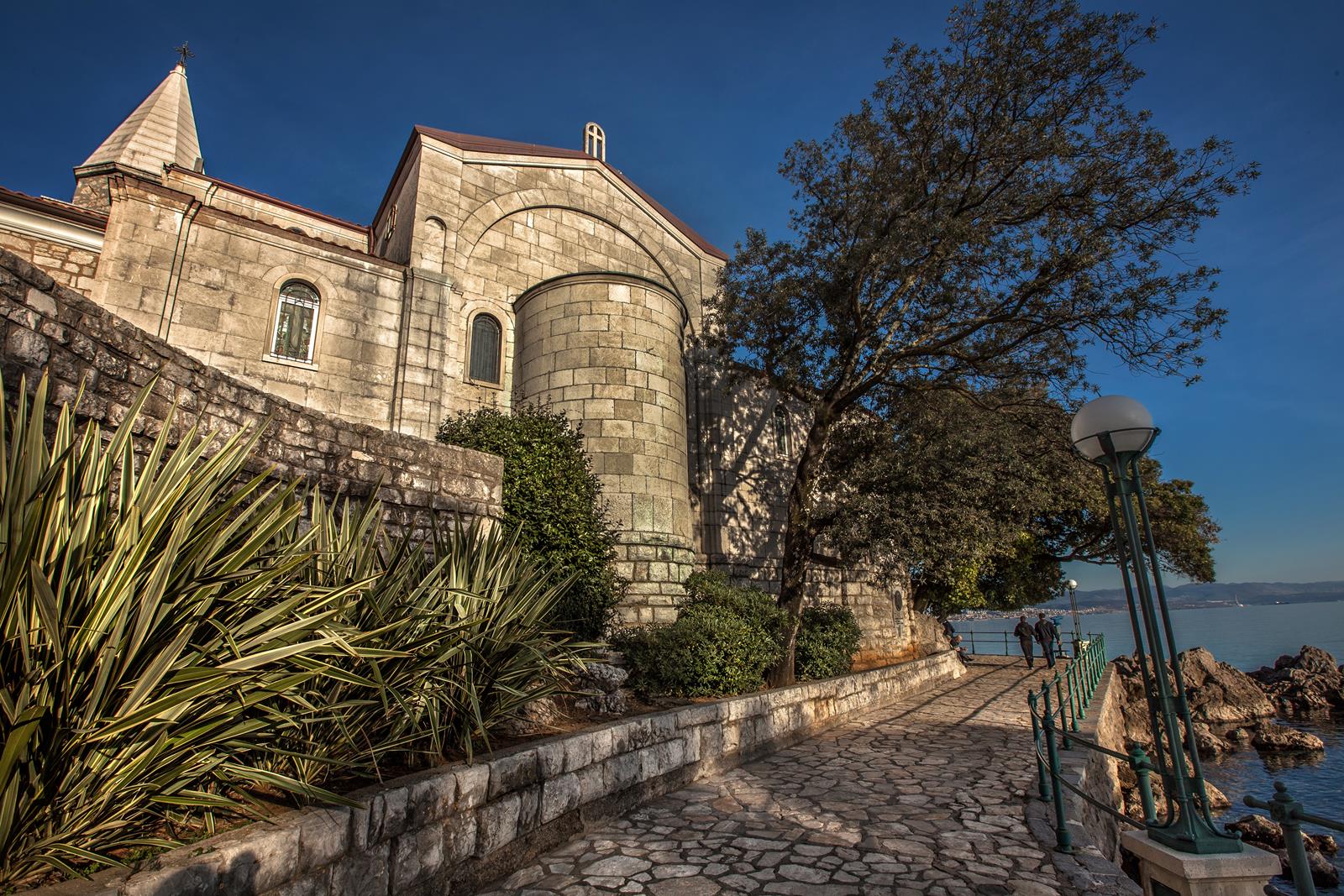
The Beginning – St. James` monastery and the birth of Opatija
The story begins long before villas and hotels, with a small Benedictine monastery. In the 15th century, it was the centre of local life, around which a settlement slowly grew. From it, the town took its name—Opatija, after the Abbey of St. Jacob. Today known as the Church of St. James, it remains one of the city’s most important landmarks.
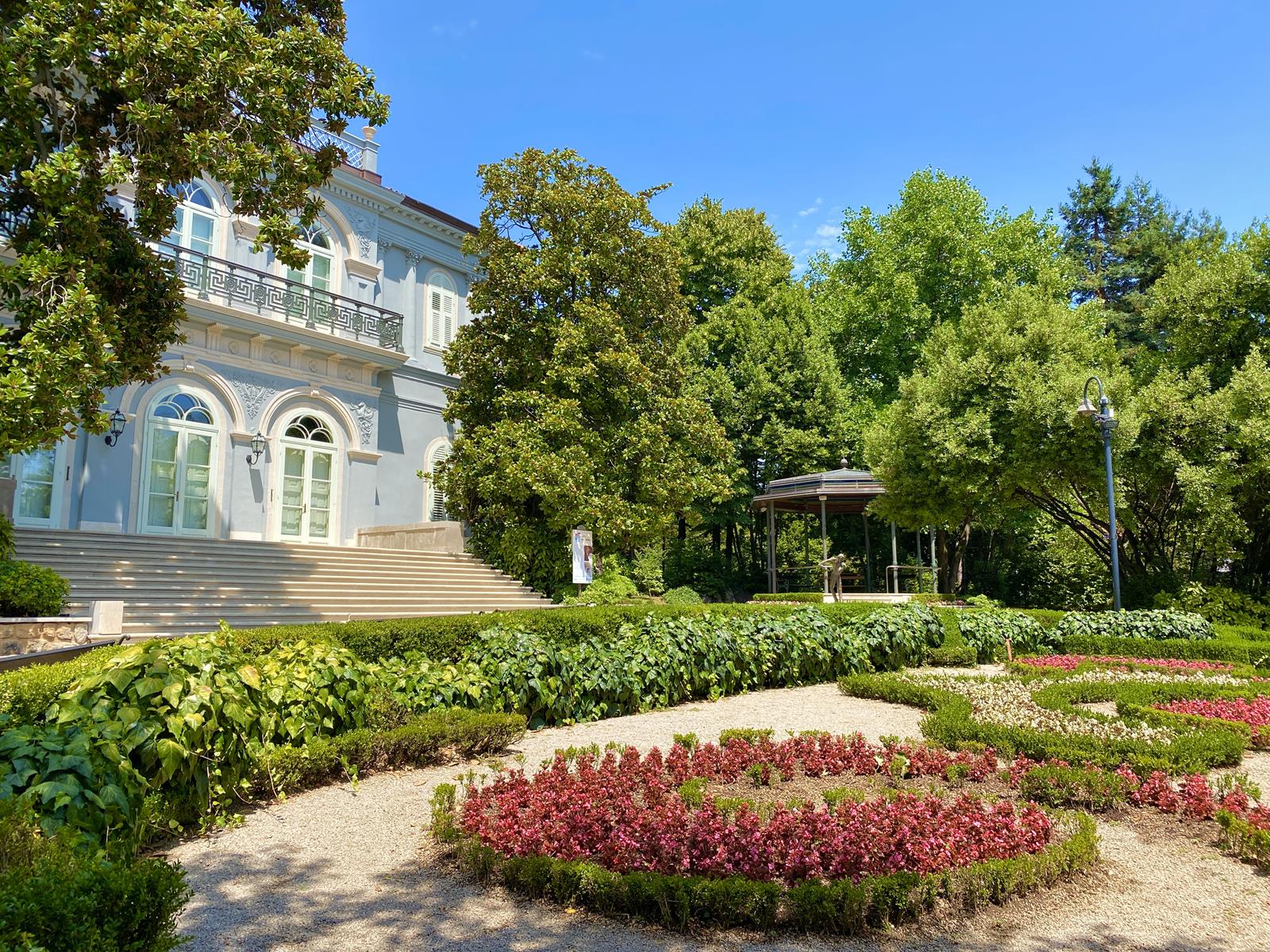
Villa Angiolina and the beginning of tourism in Croatia
Four centuries later came the first major turning point. In 1844, Rijeka merchant Iginio Scarpa built Villa Angiolina. It was the first building designed purely for leisure—a summer residence that marked the beginning of tourism in Croatia. A few decades later, in 1873, the railway reached nearby Matulji. Suddenly, Opatija was no longer a secluded gem on the Adriatic coast, but an accessible destination—one that quickly learned how to welcome its guests.
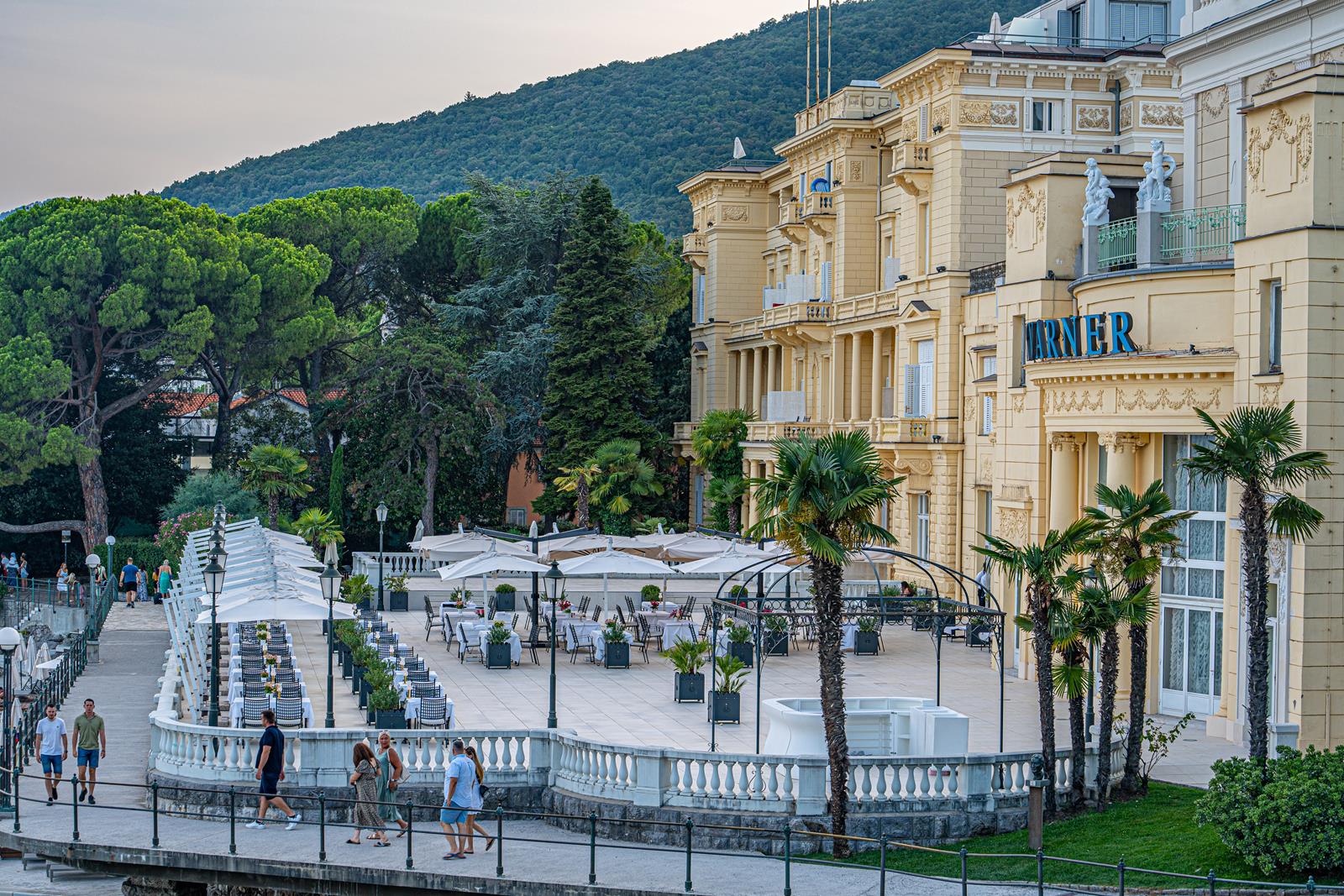
Hotels Kvarner and Imperial – Austro-Hungarian luxury
The luxurious Hotel Kvarner, the first hotel on the Adriatic coast, opened its doors in 1884. It was soon followed by Hotel Imperial, along with villas, guesthouses, cafés, and promenades. Everything was built with a clear idea in mind: to offer every visitor true rest for both body and soul.
Close your eyes for a moment. Can you hear soft music drifting from a terrace? Imagine this—on that very same spot once sat Emperor Franz Joseph, James Joyce, Isadora Duncan, Puccini… Some came for their health. Others for inspiration. All were drawn by an atmosphere that still lingers today.
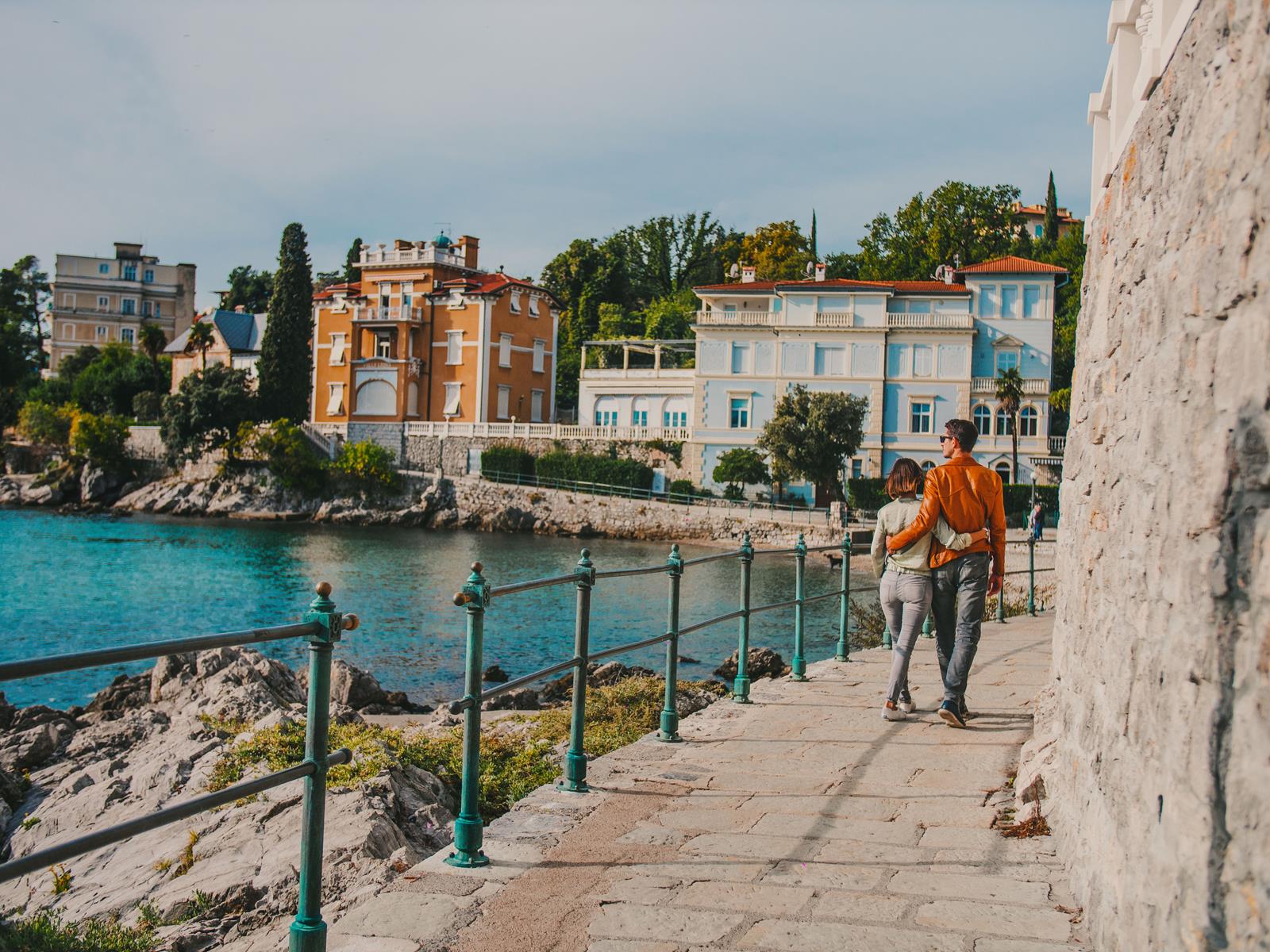
An imperial spa and the Lungomare promenade
In 1889, Opatija was officially declared an imperial climatic health resort of the Austro-Hungarian Monarchy—a destination where nature, climate, urban charm, and wellbeing came together. The Lungomare, a 10-kilometre seaside promenade, was an ambitious project at the time. Today, it remains one of the most recognizable traces of Opatija’s past—a path you walk as you take in the same elegance that has defined the town for generations.
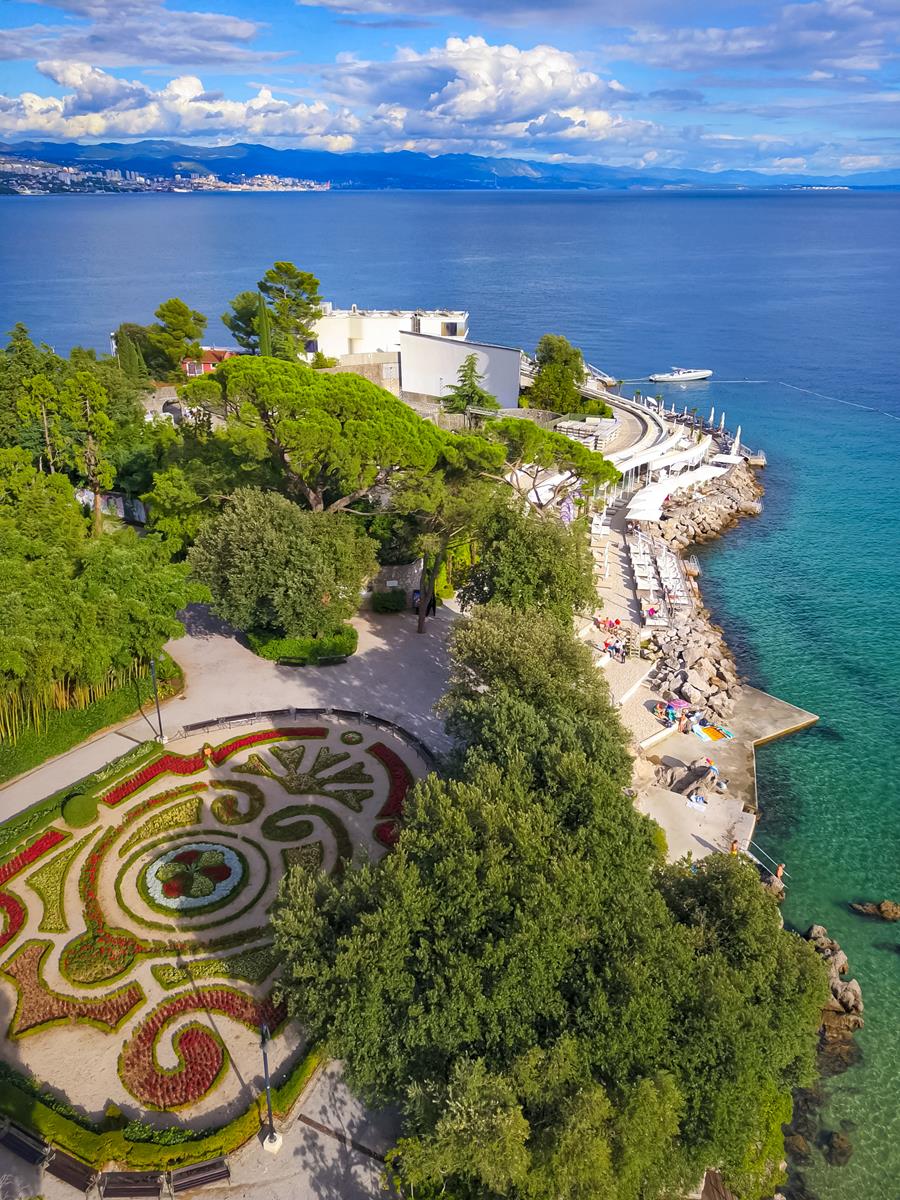
Opatija Today – Where history meets modern charm
Even today, layers of Opatija’s rich history are visible in everyday life. Many hotels have been renovated, yet still carry their original names. The terraces offer the same timeless views of the Adriatic. In Angiolina Park, you can still find exotic plants brought here from all over the world.
All that’s left for you is to enjoy modern comfort infused with the charm of times past.
If you wish to dive deeper into each of these periods, visit the Croatian Museum of Tourism in Villa Angiolina. It will bring Opatija’s story to life—right where it all happened.
Welcome!